Vintage Charm in a Sea of Beige: A Guide to Santa Ana’s Floral Park
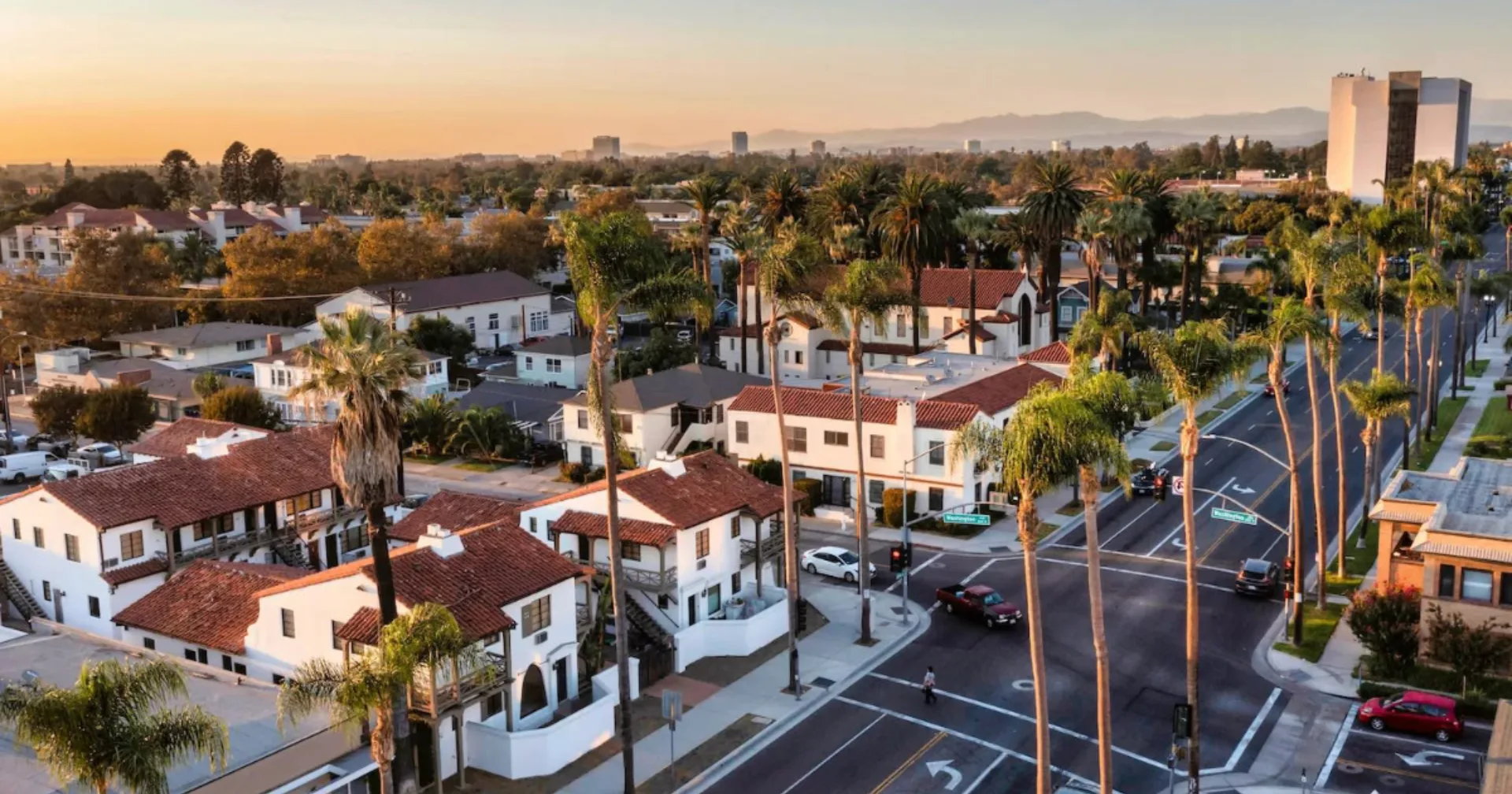
If you drive through most of Orange County, you see a lot of the same thing: beige stucco, terracotta roofs, and master-planned uniformity. It’s clean, but for some buyers, it feels a little... soulless.
Then you turn onto Victoria Drive in Santa Ana, and it feels like you’ve been transported to a different state (or at least a different era).
Welcome to Floral Park.
Tucked away in the northern tip of Santa Ana (bordering Orange), this neighborhood is the best-kept secret for buyers who crave character. We’re talking 1920s Tudors, 1930s Spanish Revivals, and sprawling Ranch homes on massive lots.
If you are tired of HOAs telling you what color to paint your door, here is why Floral Park might be your "Forever Neighborhood."
Architecture You Can't Find Elsewhere
In Floral Park, you don't buy a floor plan; you buy a piece of history. Because the neighborhood was developed over decades (from the 1920s to the 1950s), the architectural diversity is stunning.
- The Spanish Revivals: Think thick plaster walls, arched doorways, and original clay tiles.
- The English Tudors: Steep pitched roofs and brick detailing that you rarely see west of the Mississippi.
- The Custom Ranches: Sprawling single-story homes on 10,000+ sq. ft. lots—try finding that in Irvine for under $3 million.
A True Community Spirit
This isn't a neighborhood where people drive into their garage and hide. Floral Park is famous for its neighbors.
The highlight of the year is the Floral Park Home & Garden Tour, where residents open up their historic homes to the public. It’s a weekend-long party that raises money for scholarships and neighborhood improvements. It creates a "small town" bond that is incredibly rare in Southern California.
The Secret Tax Benefit
Here is the financial secret of owning a historic home: The Mills Act.
Many homes in Floral Park are on the local Historic Register. This allows owners to enter into a contract with the city to receive a massive reduction in property taxes (sometimes 40-60% lower than standard rates) in exchange for maintaining the home’s historic exterior.
Buying a $1.8M home here might cost you the same in monthly taxes as buying a $1.2M home elsewhere. That is buying power you can’t ignore.
Floral Park vs. New Construction
If you are torn between a historic home here and a new build in Tustin Field or Irvine, here is how they stack up:
- The Lot Size: In Floral Park, you are buying land. The average lot is 8,000–12,000 sq. ft., giving you a real backyard. In newer communities, you are lucky to get 4,000 sq. ft. (and your neighbor is staring into your kitchen).
- The Fees: There is no mandatory HOA here. You save that $300–$500/month that you’d spend in a master-planned community.
- The Trade-Off: The "cost" of Floral Park is maintenance. A 1929 home requires more care than a 2026 stucco box. You aren't paying an HOA; you are paying for upkeep.
What to Watch Out For
I love these homes, but I’m going to be real with you. A 1929 Spanish Revival is like a classic car—it needs love. Before you make an offer, we need to check three things:
- The Wiring: Does it still have "Knob and Tube" wiring? (Insurance companies hate this).
- The Plumbing: Are the pipes original galvanized steel? (They will rust eventually).
- The Foundation: Raised foundations are great for access, but we need to check for seismic retrofitting (bolting the house to the foundation).
Don't let this scare you. We just need to budget for it. The charm is worth the effort, but we go in with our eyes open.
The Bottom Line
Floral Park is not for everyone. If you want a turnkey home where everything is brand new and the HOA handles the landscaping, you should look in Irvine. But if you want a home with a soul, a massive tax break, and a neighborhood that feels like a community, this is the best value in North Orange County.
Inventory here is incredibly tight because people tend to stay for 30 years. If you are serious about finding a vintage home in 2026, give me a call at 714-844-5696. I often hear about neighbors preparing to sell before the sign goes up in the yard, and I can get you in the door first.
Frequently Asked Questions
The Mills Act is a contract between the city and the homeowner that lowers property taxes in exchange for preserving the home's historic exterior. Not every home in Floral Park has it automatically—you must apply for it, or buy a home where the contract is already in place. It transfers to the new owner, which is a huge selling point.
Yes! The strict historic rules generally apply to the exterior (what can be seen from the street). You can usually modernize the kitchen, bathrooms, and interior layout to your heart's content. However, always check with the Santa Ana Historic Resources Commission before doing major structural work.